

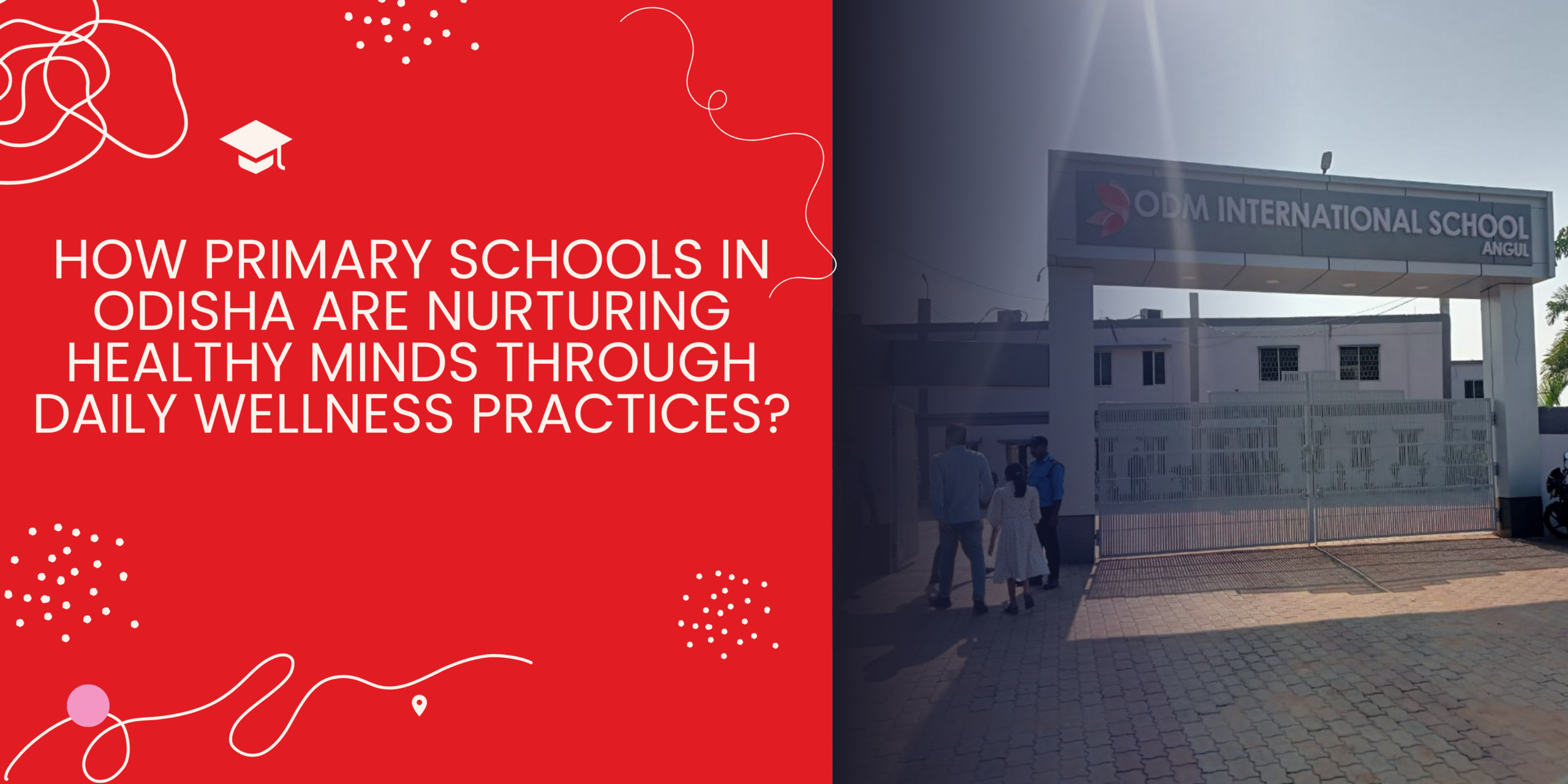
How Primary Schools in Odisha Are Nurturing Healthy Minds Through Daily Wellness Practices

Early education is not only about learning letters and numbers; it is about shaping minds, habits, and emotional well-being. The primary years are when children learn how to think, feel, interact, and care for themselves and others. As a progressive primary school in Odisha, we at ODM International School, Angul, believe that academic excellence must grow alongside physical health, emotional balance, and daily wellness practices. When children are nurtured through healthy routines and a supportive environment, learning becomes joyful, meaningful, and lifelong. That is where the journey of healthy minds truly begins.
Why Is Early Childhood Wellness Essential for Mental and Physical Well-Being?
The early childhood phase is a phase of rapid brain development. During these formative years, children absorb information, behaviours, attitudes, and routines that shape how they think, feel, and respond to the world. Wellness-focused education supports cognitive development, emotional balance, and physical health simultaneously.
At ODM, we recognise that a healthy mind learns better. When children feel emotionally secure, physically active, and mentally relaxed, they are more attentive, curious, and confident learners. Wellness practices help reduce stress, improve concentration, and encourage positive social interactions—key ingredients for holistic growth at the primary level.
When Should Wellness Habits Be Introduced in a Child’s Routine?
Wellness habits are most effective when introduced early and practised consistently. The primary school years are ideal for embedding routines related to nutrition, hygiene, physical movement, mindfulness, and emotional awareness.
As a responsible primary school in Odisha, we begin wellness education in the very first years of schooling. Introducing these habits early ensures they become second nature to children, influencing not just their school life but their choices beyond the classroom as well.
How do Leading Primary Schools in Odisha Integrate Wellness into Daily Routines?
At ODM International School, Angul, wellness is not treated as an occasional activity; it is incorporated into the daily school experience. We adopt a structured and child-friendly approach that blends wellness seamlessly with academics. Our initiatives include:
-
Balanced Daily Routines:
A thoughtfully planned school day that balances learning with movement, creativity, and rest, ensuring children remain engaged without feeling overwhelmed.
-
Nutrition Awareness:
Age-appropriate conversations and activities that help children understand the importance of healthy eating habits and mindful food choices.
-
Physical Activity as a Priority:
Regular physical movement through sports, yoga, and free play supports physical fitness, coordination, and emotional release.
-
Mindfulness and Emotional Well-Being:
Simple mindfulness practices, reflection time, and teacher-guided emotional check-ins that help children express themselves and build emotional resilience.
-
Safe and Supportive Learning Environment:
A nurturing school culture where every child feels valued, heard, and supported—essential for mental well-being and confidence building.
Our educators act as mentors who observe, guide, and support each child’s holistic development. This integrated wellness approach allows children to grow academically while remaining happy, active, and emotionally secure.Wellness in primary education is a necessity, not just an add-on. As primary schools across the state evolve, there is a growing recognition that nurturing healthy minds requires consistent attention to daily habits, emotional well-being, and physical health. At ODM International School, Angul, we are committed to setting this standard as an advanced primary school in Odisha. By embedding wellness into everyday learning, we aim to raise confident, compassionate, and resilient learners who are truly prepared for life. Healthy minds begin with healthy habits, and those habits begin here—every day, in every classroom.